Recommendations · phones
Phones that last: what each brand promises
Seven manufacturers, seven different update promises. And the detail nobody mentions: the years are not counted from the day you buy it.
Text drafted with artificial intelligence. The topic, the angle and the final review are Ibrahin's. How AI is used here
I already wrote about what to look at so a phone lasts, but without naming a single brand. Anyone facing a four-hundred-euro decision leaves without an answer. Here are the names.
And there are no prices. On purpose: they change every week and in two months this article would be a lie. What is stable, and what really decides how long a phone lasts you, is the number of update years each manufacturer promises in writing.
The detail that changes everything
Before the list, this. It is the most useful thing in the article and almost nobody mentions it:
No brand counts the years from the day you buy the phone. They count from the day that model first went on sale anywhere in the world.
Google counts from the first sale in its United States store. Samsung, from the global launch. Nothing, from the day the device became available. Xiaomi, from the model’s first shipment.
Translated: if you buy a two-year-old phone because it is on offer, you have two years less. That deal on last year’s model is not such a deal.
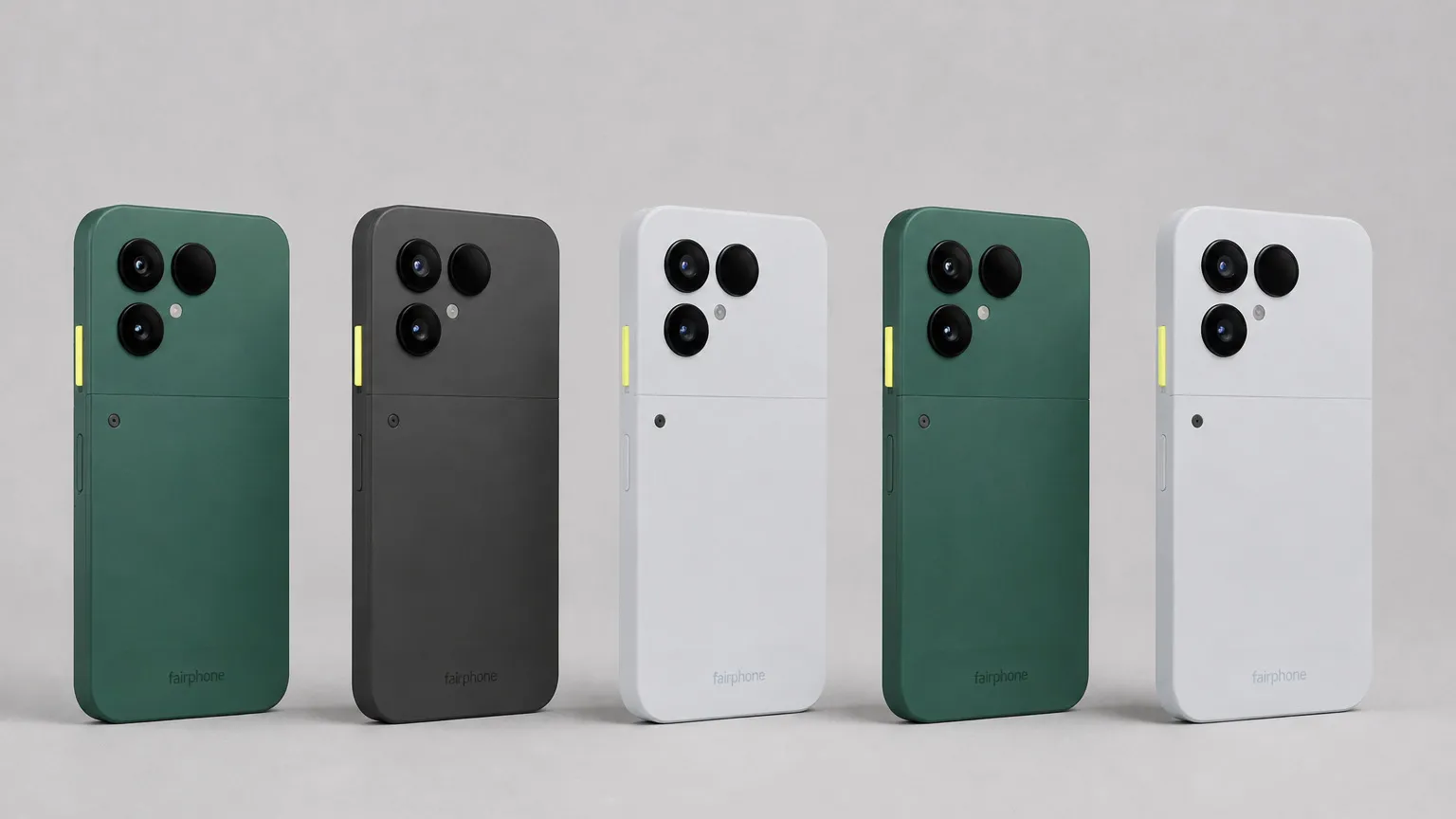
The only brand that escapes this arithmetic is Fairphone: for its current model it publishes the year support ends, 2033, and not just a number of years.
What each brand promises
Commitments published by each manufacturer
Years of updates
Operating system / security patches
The three cases that need explaining
Apple promises nothing, and still holds up. Apple publishes no number of years, neither for iOS nor for patches. What it does publish is which models the current version supports. And there is the fact: iOS 26 reaches the iPhone 11 and the second-generation SE, that is, devices from 2019 and 2020. Six and seven years of system, without ever having promised it.
The other side: because there is no written commitment, you cannot hold anyone to it. With Apple you buy a track record, not a promise.
Xiaomi is the weakest case, and in writing. Its support page says “at least 2 years” of security updates, and adds that it “may” give three or more on some models. About Android versions, not a word. I also checked the spec sheets of the Xiaomi 15 and the Redmi Note 15: they do not publish it either. It is not that I missed the figure: it is not there.
Careful with Samsung’s “up to”. In the high range the wording is affirmative: the Galaxy S25 “will have” seven generations and seven years. In the mid-range A series, it says “up to six”. A commitment and a ceiling are not the same thing.
What Europe guarantees even when the brand says nothing
Since 20 June 2025 there has been a legal minimum for every phone sold in the European Union, and very few people know it.
The European ecodesign regulation requires five years of operating system updates, security ones included, free of charge. And it requires spare parts to stay available for seven years, delivered within five working days for the first five.
With one detail worth reading properly: those periods are counted from the day the manufacturer stops selling that model, not from your purchase and not from the launch. In practice it usually works in your favour, because a model stays on sale for a year or two.
And from that same date, every phone carries a European energy label, like household appliances. It shows six things: efficiency, battery life per charge, drop resistance, how many charge cycles the battery survives before dropping to 80 %, a repairability grade from A to E, and protection against dust and water.
It is the first European label with a repairability grade. Look at it in the shop: it is required to be there. What the label does not carry is the number of update years, which comes under the other regulation.
How this is decided in practice
There is no single winner, because it depends on what you value. There are three clear decisions:
If you want the maximum number of years and the brand does not matter: Fairphone is the only one giving eight and putting the date in writing. In exchange, it is a phone with modest specifications, from a small company.
If you want seven years without giving anything up: a Pixel from the 8 series onwards, or a Galaxy S25 or S26. All three promise seven and seven, and they are brands that have been delivering for years.
If the budget decides: a recent Galaxy A gives up to six years, and a Nothing (3a) gives six of security. Both are a better long-term bet than a more powerful phone from a brand that only guarantees two.
And one that is not a brand: buy the current year’s model, not last year’s. You already know why.
Two things to do before buying anything: look at the energy label in the shop and compare the repairability grade, because there you see enormous differences between models at similar prices. And once you have it, move everything across from the old phone properly and check that your backup actually works.
Disclosure
I have not tested these phones. This article compares commitments published by the manufacturers, not hands-on experience. When I test one and can speak about it, I will say so explicitly. No link here is an affiliate link.
Sources
- Pixel updates — Google
- Galaxy S25: seven generations of updates — Samsung
- Security update scope — Samsung
- iPhone models compatible with iOS 26 — Apple
- Security updates — Xiaomi
- How long will my Fairphone receive updates? — Fairphone
- Regulation (EU) 2023/1670, ecodesign — EUR-Lex
- Energy label for phones and tablets — European Commission
Related
Review
Responsible for publication: Ibrahin. Date: 2026-09-04. Last checked: 2026-09-04. The commitments come from each manufacturer’s official pages. Motorola’s general policy could not be consulted because their site blocks automated access: the figure given corresponds only to the edge 70 spec sheet and does not extend to the moto g range. No prices are included.
Where to see it
- See at Fairphonefairphone.com
- See at Google Pixelstore.google.com
- See at Samsung Galaxysamsung.com
- See at Nothinges.nothing.tech
Links to the maker's or the service's own pages. They are not affiliate links and earn no commission.
How this recommendation was made
Commitments taken from each manufacturer's official pages and from the European ecodesign regulation, on 4 September 2026.
Prices and availability checked on 4 September 2026. They change without notice: check before buying.
No link in this article is an affiliate link. No commission is earned on any purchase.